
Crates
Slop Tower Defense crate and chest odds: Hazmat, Space, Retro and Shop crates broken down so you know which boxes to open and which currency to save.
Introduction
Crates and chests in Slop Tower Defense run their own economy beside the summon banner: event chests like Hazmat, themed boxes from past cycles like Space and Retro, and the Shop crate slot that the Backrooms season refreshed. This category breaks down what each box actually contains, how the 1% Hero tag shows up on live drop tables, and when opening beats saving currency for targeted summons. Veterans farm Hazmat chests in bulk precisely because their pools overlap with crafting fodder — volume of duplicates feeds evolutions faster than a handful of lucky pulls — while Shop crates rotate with seasons and reward timing over thrift. Every entry separates community-reported rates from anything resembling confirmed odds, because the developers publish no official crate tables and sample sizes from showcase videos skew toward highlight openings. If you are deciding between one more crate or a premium summon, the comparisons here price out both routes against the same crafting economy so the choice reflects your roster's actual bottleneck.
Crate Lineup & Odds
| Crate | Source | Highlights |
|---|---|---|
| Hazmat Chest | Event farming | Bulk-opened for fodder volume |
| Space Crate | Past content cycle | Themed pool from earlier season |
| Retro Crate | Past content cycle | Legacy themed opening option |
| Shop Crate | Backrooms season slot | Rotating stock refreshed per season |
Crate Breakdowns
Hazmat Chest
Event chest veterans open in bulk because its pool feeds the crafting economy
Space Crate
Themed box carried over from an earlier content cycle's inventory
Retro Crate
Second legacy themed box preserving an older cycle's opening pool
Shop Crate
Season-refreshed shop slot that the Backrooms update explicitly refreshed
Core Mechanics
The crate system extends the same six-band rarity ladder into a box-opening format, which means crates and summons ultimately feed the identical crafting economy — the difference is currency and pacing. Event chests draw from event currencies earned through play, Shop crates rotate on seasonal stock, and themed boxes from retired cycles linger in inventories with pools that no longer update. The 1% Hero tag appears on live drop tables for eligible crates, giving apex-chasers a second storefront for the same odds the summon banner offers. What makes crates strategically interesting is fodder volume: opening many low-cost boxes floods the duplicate pool that evolutions consume, converting a trickle of pulls into a stream of crafting material. The wiki tracks each crate's pool composition, estimated rate patterns from community samples, and the break-even logic comparing bulk openings against saving the same currency for a targeted summon when your roster needs one specific band rather than raw fodder.
Advantages
Crate tracking matters because the box economy punishes uninformed opening more than the banner does. A Shop crate that rotates with seasons can be time-gated in ways summons are not — miss the window and the stock may refresh without the pool you wanted — while event chests like Hazmat are efficiently farmable precisely because veterans understand their fodder economics. Knowing the 1% tag applies across both storefronts lets apex-chasers route whichever currency they already hold toward hero odds instead of converting everything into gems. The comparisons also correct a common misread: crates feel like lottery tickets, but their real return for most accounts is evolution volume, which compounds into guaranteed band upgrades rather than one lucky pull. For free players especially, understanding which box feeds your current bottleneck — fodder, event currency or pass synergy — turns routine chest openings into deliberate progression moves instead of reflexive clicks.
Challenges
The core weakness is transparency: no official drop tables exist, so every rate discussion rests on community samples from showcase openings that oversample lucky pulls and undersample dry streaks. Sample sizes stay too small for statistical confidence, and a crate's pool can be retuned between seasons without notice, making yesterday's odds discussion stale. Themed boxes from retired cycles add inventory confusion — the box remains openable while its pool no longer receives updates, and nothing in the UI flags that divergence. Bulk farming Hazmat-style chests also has an opportunity cost the fodder math can hide: time spent opening boxes competes with Nightmare runs or pass quests that pay currencies crates cannot. And when a Shop crate rotation disappoints, the currency already spent does not refund. Treat every rate here as directional, verify against live openings, and price crate time against the farming routes your account actually needs.
Frequently Asked Questions
Are crates worth it versus summons?+
What are the real drop rates?+
Which crate should I open first?+
Quick Tips
Farm bulk event crates for fodder, not lottery tickets. Hazmat-style chests win when opened in volume precisely because the return that matters is duplicate units feeding evolutions — expecting a hero from any single box sets you up for disappointment at 1% odds. Buy the crafting stream; treat any apex pull as a bonus rather than the plan.
Open Shop crates while their seasonal stock is live. The Backrooms season refreshed the Shop crate slot, and rotation history suggests stock cycles out with the pass — currency banked against a closed pool buys nothing. Check the updates page when a season ships, then decide within the rotation window instead of after it closes.
Price crate time against your actual farming route. Opening boxes competes with Nightmare runs that pay tickets and diamonds — currencies crates cannot supply. If your account bottleneck is pass progression or endgame shop stock, crates are the wrong sink entirely; run the overlay instead and revisit boxes when fodder becomes the limiting factor.
Featured
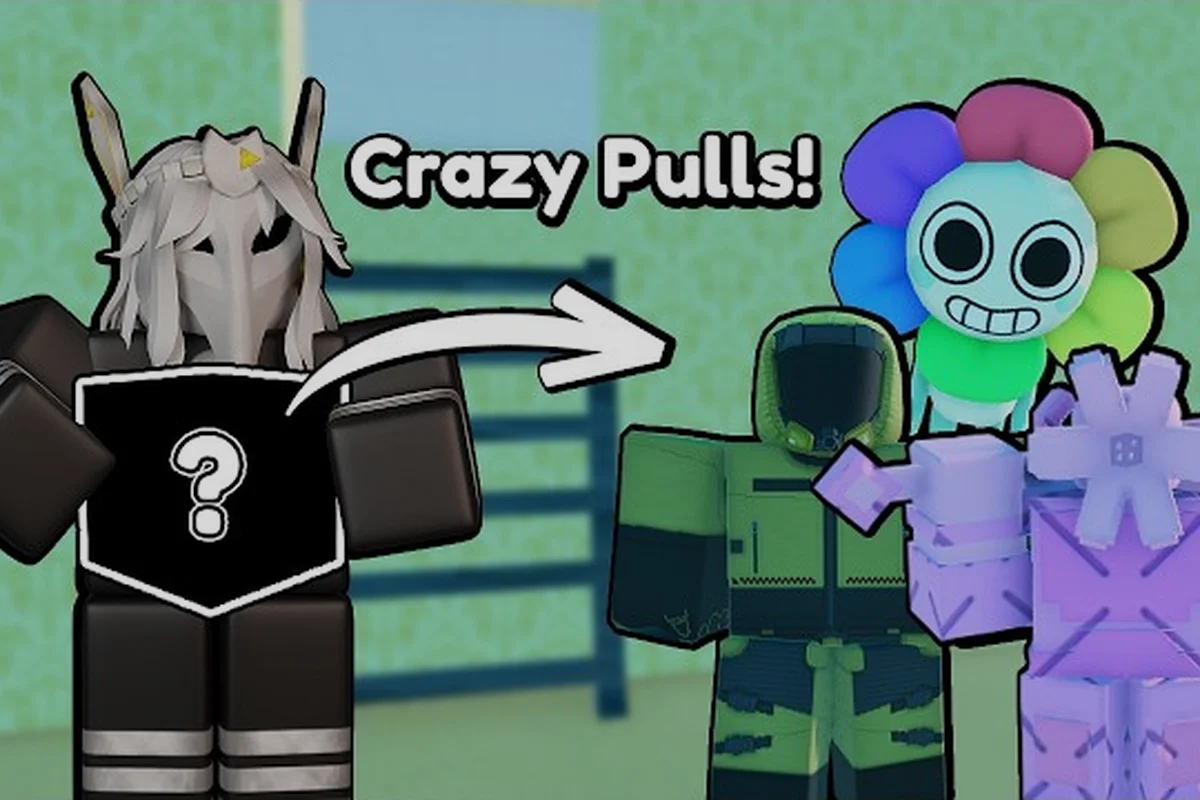
Slop Tower Defense Crate Tiers: Every Chest Ranked by Value
Compare every Slop Tower Defense crate tier from star and event drops to Backrooms chests, with hero odds, pity math, and best farming picks.
Slop Tower Defense Hazmat Chest: Drop Rates, Odds & Worth It
Crack open the Slop Tower Defense Hazmat Chest with proven drop-rate math, hero odds, and a value breakdown of space and retro crate alternatives.
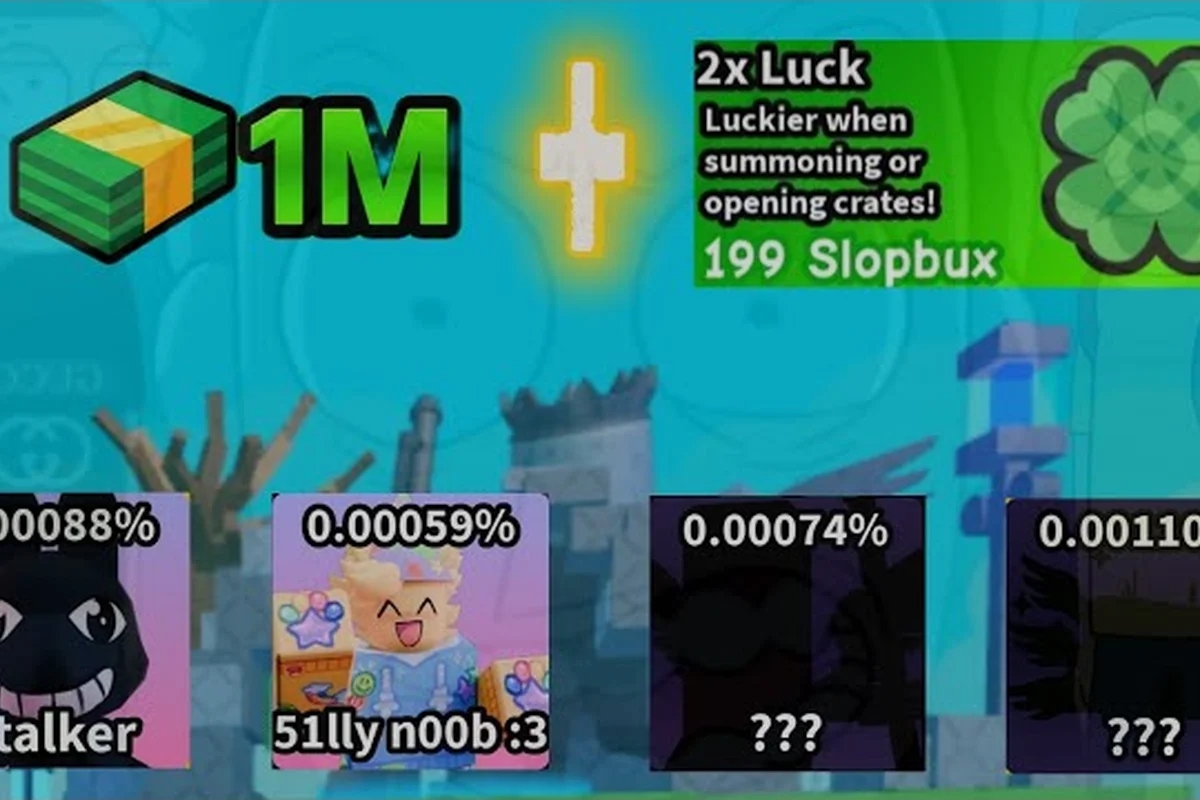
Slop Tower Defense Drop Rates: Every Crate Odds & Free Sources
See the full Slop Tower Defense drop rates for every crate, learn where to grab free chests, and stack your roster with the rarest heroes faster.
All Articles

Slop Tower Defense Is Crate Worth It: Value, Contents & Rotation
Find out if every Slop Tower Defense crate is worth the spend — compare exclusive, seasonal, and rotation chest contents against summon pulls.
Slop Tower Defense Loot Boxes Guide: Premium Crate & Gacha Rates
Master every Slop Tower Defense loot box with premium crate picks, gacha rate breakdowns, currency tips, and the best chest to open right now.
Slop Tower Defense Summon vs Crate: Which Gives Better Rewards
Compare Slop Tower Defense summon vs crate pulls head to head, with chest rewards lists, opening math, and the smartest way to spend your currency.